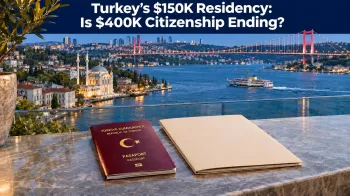
Turkey’s new investor residence permit starts at $150,000 USD. This article compares qualifying investments and projected 2027 Dollar returns, and explains why Property Turkey believes the $400,000 USD citizenship route could end or the minimum investment could rise to $1 million USD.
A 10- to 30-room hotel in central Istanbul is both a property purchase and an operating-business investment. Before you compare prices, check demand, the operating licence, structural condition, and the full tax position. We also compare hotels with residential property for investors seeking a simpler, smaller-budget route.
Istanbul’s traffic offers a surprising introduction to Turkey’s economy and property market. The article explores Turkish savings habits, high deposit rates, and falling interest rates, explaining why international cash buyers could benefit before stronger domestic demand increases buyer competition.
Turkish property investment looks unusually well placed for the next five years. Turkey is not risk-free, but almost every alternative is struggling at once. Washington faces gridlock and US house prices are falling. Dubai and China are in retreat, and Europe is flat and restless.
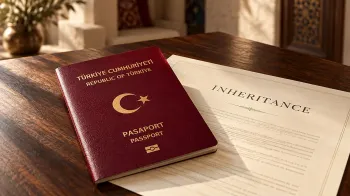
If you're weighing Turkish citizenship, one warning will reach you sooner or later: a Turkish passport brings your worldwide estate into Turkish inheritance tax. It does. But the tax falls on your heirs, not on you; rates run 1% to 10% after per-heir exemptions, and foreign tax paid is deductible.
Turkey offers Dubai property investors a route to diversification through rental income, freehold ownership, and citizenship opportunities. This article compares taxes, returns, currency risks, and buying procedures, while highlighting due diligence, building safety, and planning for an eventual property sale.
Turkey’s property market still favours international cash buyers. Local demand is subdued, borrowing remains expensive, and motivated sellers are negotiating. But interest rates have started falling. International investors still have a window to secure the best deals before domestic buyers return in greater numbers.
Thinking of parking $500,000 USD in a Turkish bank for citizenship? Sit down. Grab a coffee. Maybe a lawyer. Before committing, compare what that money could deliver over the required three years. A deposit may feel simpler, but the interest rate does not tell you what you will receive back in Dollars.
High borrowing costs and weaker domestic demand are giving cash buyers stronger negotiating power in Istanbul. Affordable central districts offer investment opportunities through Urban Regeneration, rental income, and potential Turkish citizenship eligibility.
Buying property in Turkey starts with clear goals, a realistic budget, and careful local research. Choose a reputable agent, arrange independent legal checks, and understand the paperwork, banking requirements, and purchase costs. Preparation helps buyers avoid mistakes and make informed purchase decisions.
A Residence Permit lets you live in a country. It has to be renewed, and the rules can change. Citizenship does not expire. It comes with a passport, and in Turkey’s case you can keep your existing nationality, because Turkey allows dual citizenship.
Turkey is the fastest for a foreign owner who has local help. Property Turkey opens a personal account the same day for nearly every nationality once the Turkish tax number is issued, and a foreign-owned company account takes about three days, with no minimum deposit
Portugal scores highest overall (72.6 out of 100), with Turkey a close second (71.6) and Greece third (70.2). At that gap, the right pick depends on your business. Turkey is best for fast bank accounts, low staff costs, and citizenship by investment from $400,000 USD.
Turkish property returns depend on more than the Lira’s exchange rate. Domestic demand, constrained supply and location shape values, while rental income supports overall returns. Central Istanbul and Bodrum offer different opportunities, making timing, ownership costs, and management crucial considerations.
If you're researching Turkish citizenship by investment, you've probably landed here because something changed and the information online is a mess of rumour, outdated blog posts, and half-translated circulars. Fair enough – it changed again on 28 September 2026, and the details are more important than most of what's currently published.
Turkey's Revenue Administration, Gelir İdaresi Başkanlığı (GİB), published a guide on 7 September 2026 explaining its 20-year income tax exemption for certain people who become Turkish tax resident. The law was enacted in June, and the application procedure followed in July.
Every property market has its sirens – listings priced below the going rate that scrolling past them feels almost impossible. In Turkey, with housing costs at record highs, these "bargain" listings are more tempting than ever. But the question every buyer should be asking isn't "How do I not miss this?" – it's "Why is this so cheap?"
Istanbul's best property rarely reaches the portals. After 25+ years in Turkish real estate, Property Turkey knows how the top 1% of foreign investors gain access first and why everyone else risks paying more. The best deals do not wait for your holiday, your flights, or your viewing trip. In many cases, they are reserved before being advertised.
Turkey’s investment fund sector experienced a test in September 2026 after redemption difficulties at Pusula Portföy developed into broader selling across parts of the market. The resulting pressure reached Borsa Istanbul, prompted intervention from regulators and brought the structure of certain investment funds under examination.
Interest rates, inflation, and currency movements are important to any serious investor considering property in Turkey. Yet they are also the numbers everybody can already see. The larger question is what happens when work, wealth, taxation, politics, technology, and citizenship all begin moving at the same time.